有些記憶,一輩子都放不下。
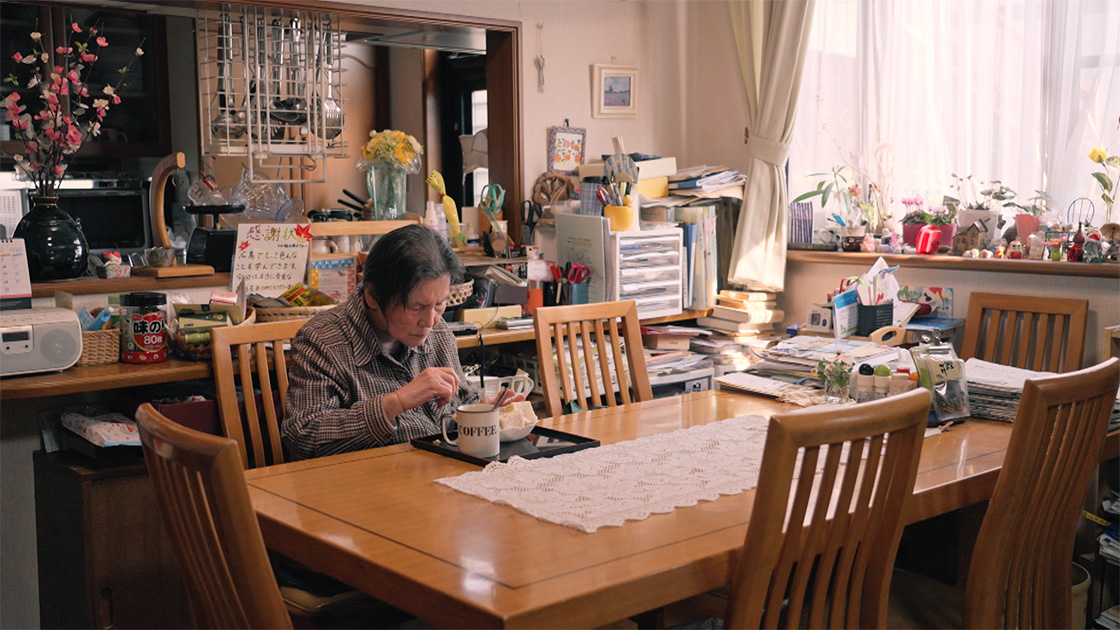
切明千枝子十五歲時經歷廣島原爆,親手火化了一位被燒死的同學。將近百歲的她,八十年來從未停止發聲。她談的不僅是自身的傷痛,還有廣島作為軍事城市的歷史共業。
本片跟拍她的日常生活,從她的生命軌跡,叩問記憶與和平的真實意涵。
Kiriake Chieko is Hiroshima’s oldest atomic-bomb survivor who continues to give public testimony. She was 15 years old when she was exposed to the atomic bombing 80 years ago. In the immediate aftermath, she cremated the body of a younger schoolmate who had died from severe burns.
Beyond recounting this traumatic experience, Kiriake is also a rare voice who speaks openly about Hiroshima’s role as a military city during the war, addressing not only its victimhood but also its complicity.
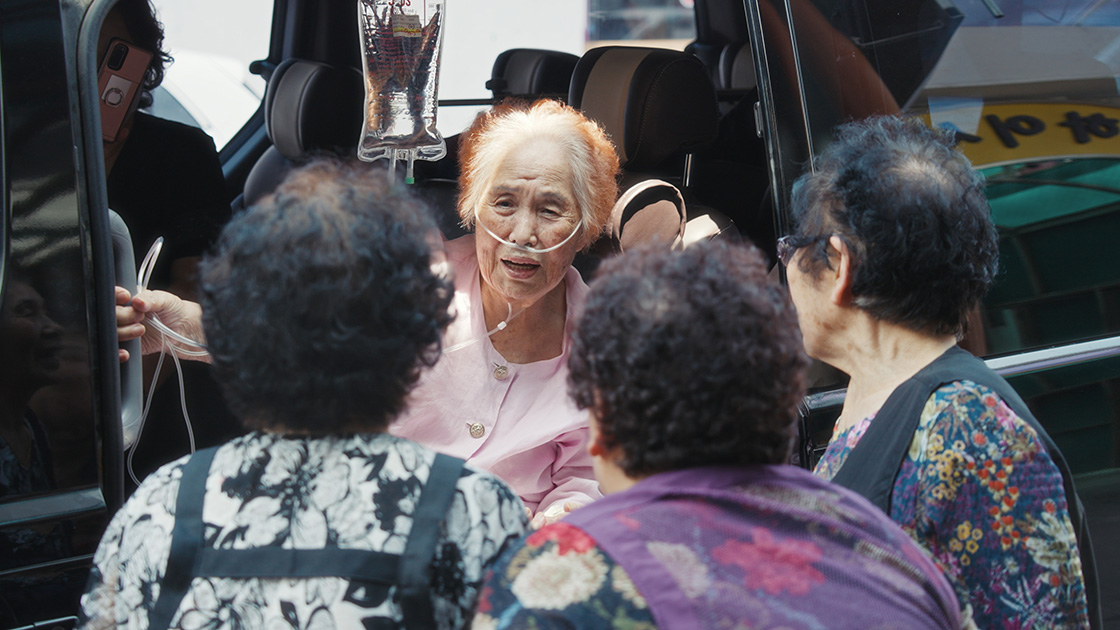
At a time when conflicts continue around the world and fears about the use of nuclear weapons persist, Kiriake — now in her late nineties — continues to share a message of peace with the world despite the physical toll of age.
This documentary does not focus solely on Kiriake’s experience of the atomic bombing but follows her daily life in order to understand her as a human being: what she has thought, how she has lived, and how memory continues to shape her life.
Through the life story of this one woman, the documentary offers reflections on what truly matters to us today.
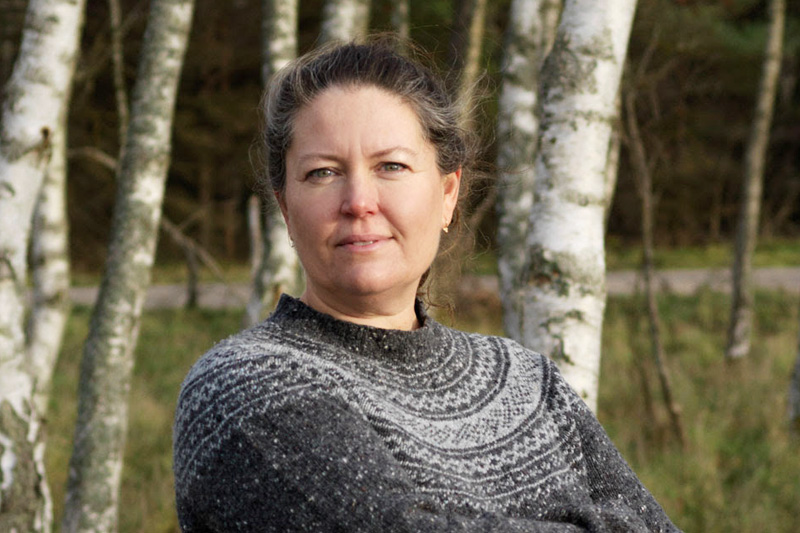
奧翔太郎(Shotaro Oku)現任NHK導演,擅長以人物為核心的紀錄片創作。他曾參與NHK知名人物紀實系列的製作,深入各領域代表性人物的內心世界,透過細膩的敘事手法,探索人們的價值觀、人生抉擇與生活方式。
任職於NHK廣島分台期間,他花費數年時間記錄原爆的歷史傷痕,以及戰爭記憶如何傳承給下一代的課題。透過原爆倖存者,以及生命軌跡與原爆歷史交織的美國人的故事,他探討記憶、歷史責任、和解與和平等議題,代表作為《走過廣島的千枝子》。
他的作品經常透過個人生命史切入重大歷史事件,嘗試將個人記憶與歷史、責任、和平等更宏觀的命題相互連結。目前持續製作聚焦當代社會議題的紀錄片與時事節目。
Shotaro Oku is a director at NHK, Japan's public broadcaster, specializing in human-centered documentaries. He has worked on one of NHK's best-known documentary series, profiling leading figures in various fields, and has explored people's values, choices, and ways of life through intimate storytelling.
While based at NHK Hiroshima, he spent several years documenting the legacy of the atomic bombing and the challenge of passing memories of war to future generations. Through documentaries featuring atomic bomb survivors as well as Americans whose lives were shaped by the history of the atomic bombing, he explored questions of memory, historical responsibility, reconciliation, and peace.
His work often examines major historical events through the lives of individuals, seeking to connect personal memories with broader questions of history, responsibility, and peace. He currently produces documentaries and current affairs programs on contemporary social issues.